
Manufacturing
Practical guidance on inspection, casting finishing, blasting, warehousing, and production support.
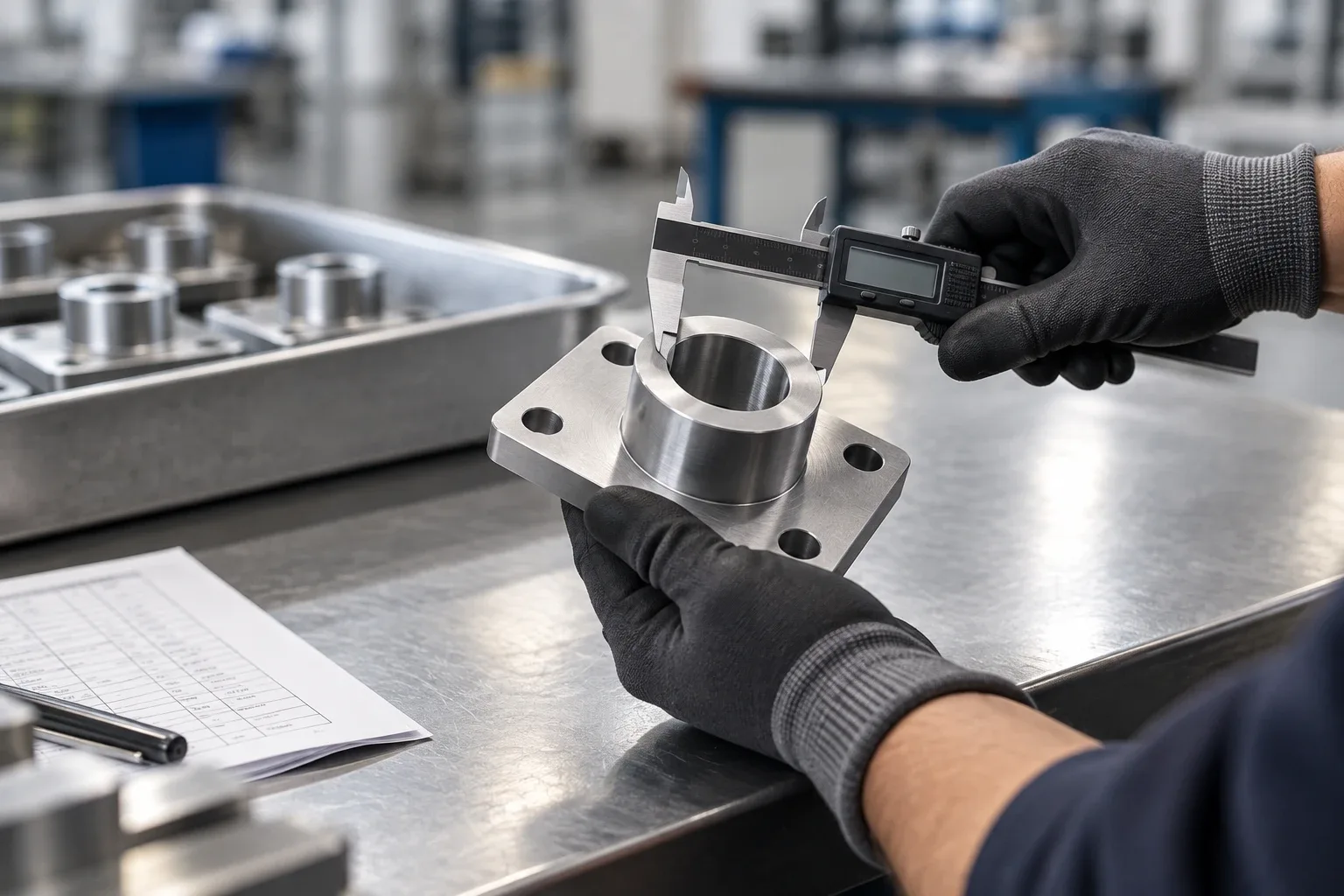
How to scope an inspection and sorting project
Prepare an inspection request with clear acceptance criteria, stock quantities, reporting needs, and a plan for releasing parts.
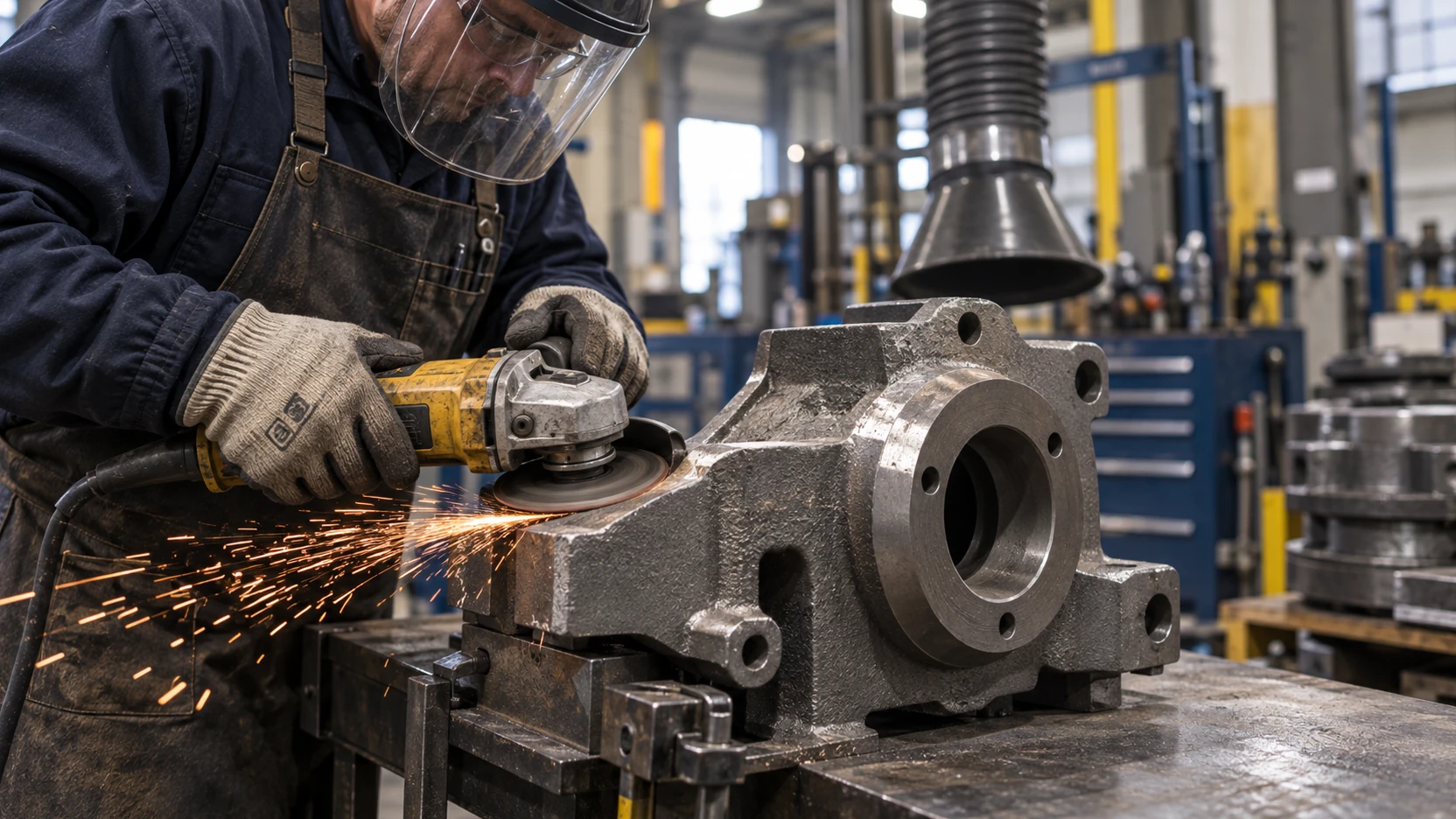
Casting finishing: grinding, sanding, and deburring
Learn what to specify for casting cleanup, grinding, sanding, and deburring, including acceptance criteria, critical surfaces, and packaging.
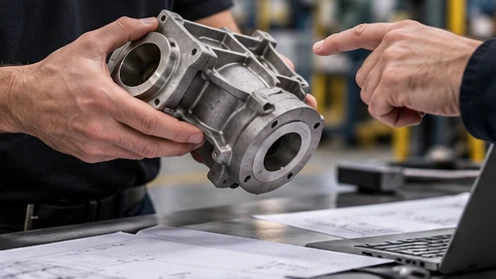
When to use a manufacturing support partner
Evaluate outside support for inspection, finishing, warehousing, and labor by comparing scope, capacity, reporting, and total handling.

Shot and tumble blasting: preparing parts for the next operation
Understand tumble blasting, part-handling considerations, and the information needed to quote cleaning and surface preparation.
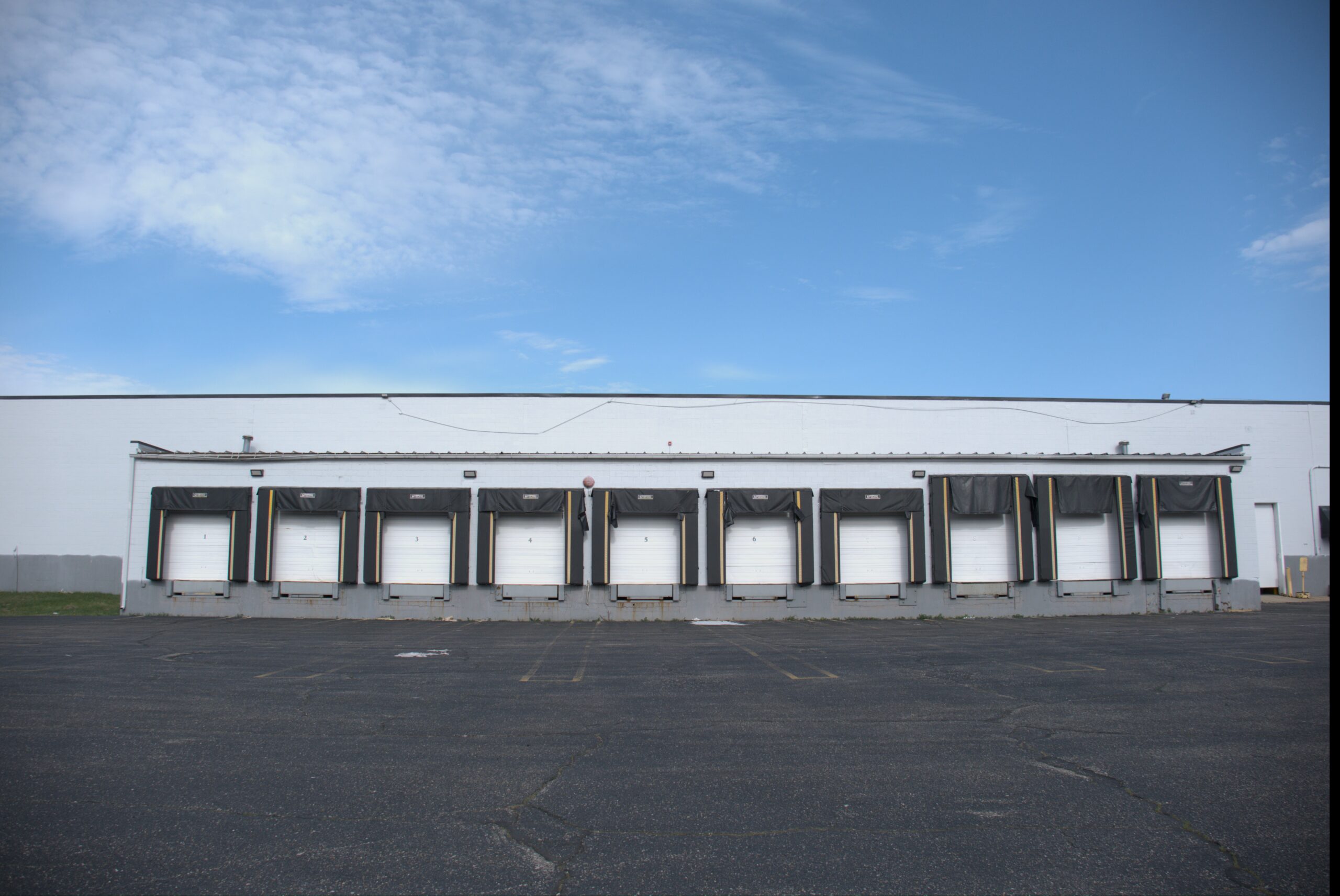
Planning warehousing and JIT delivery around production
Plan inventory staging, release signals, receiving windows, packaging, and exception handling for manufacturing warehousing and JIT delivery.
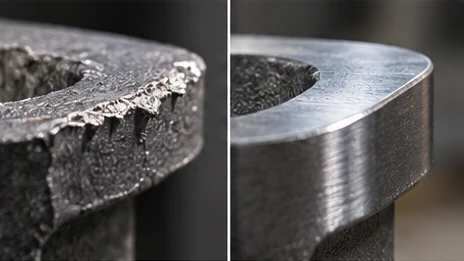
How finishing defects create rework and assembly delays
Identify how burrs, excess material, and unclear finishing criteria affect assembly, then plan acceptance checks and corrective work.

Why JIT deliveries fail, and what to plan for
Prepare for late stock, quality holds, changed release quantities, and missed receiving windows in a JIT delivery program.
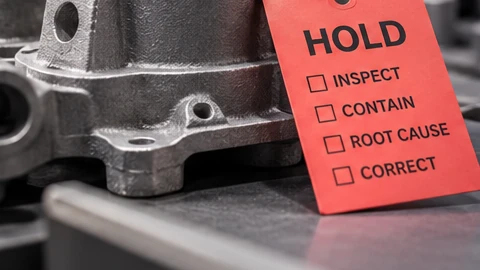
The cost of a quality escape, and how containment helps
Understand the work a quality escape creates and how clear containment, identification, and release decisions help manage the affected stock.
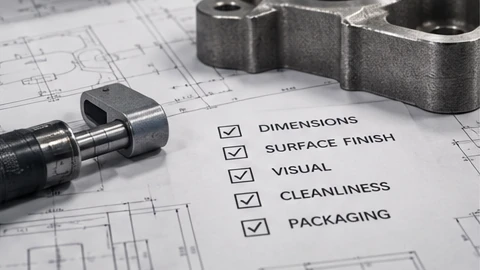
Agreeing acceptance criteria for finished castings
Define drawing revisions, boundary samples, protected surfaces, and release decisions before a casting-finishing job begins.