
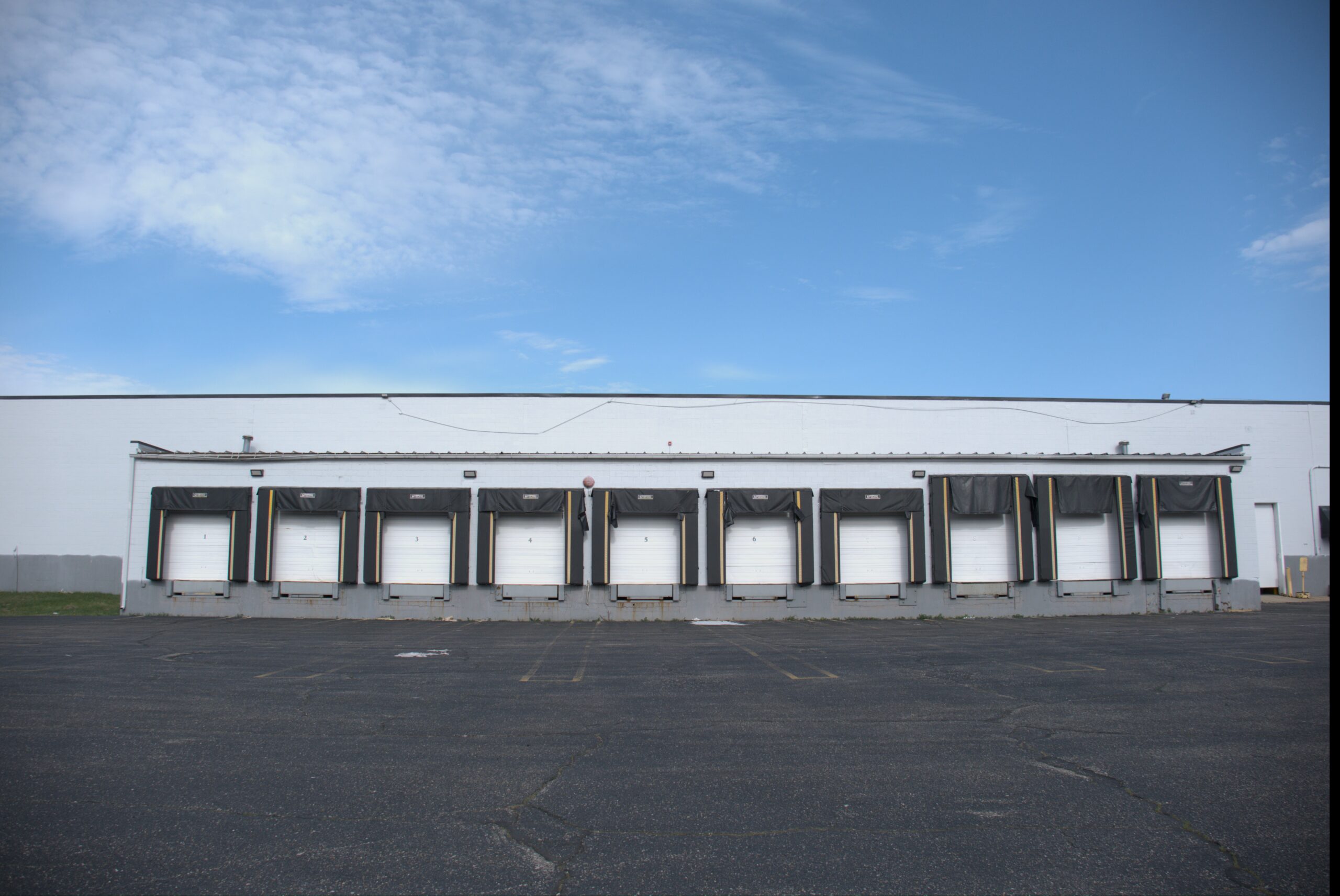
Just-in-time (JIT) delivery aligns the release of parts with the receiving plant's production needs. Warehousing supports that schedule by providing a place to receive, identify, and stage stock before release.
Moving inventory off the plant floor does not remove the need to manage it. A reliable arrangement depends on clear ownership, accurate information, agreed delivery windows, and a plan for changes.
Describe the inventory and the receiving plant
Start with the part families, packaging, quantity normally on hand, and expected rate of use. Identify where the stock comes from and where it must be delivered. Include unusual dimensions, handling restrictions, or requirements to keep lots separate.
Explain whether the stock is ready for use or needs inspection, finishing, or repackaging before release. Those steps affect the available quantity and the time needed to prepare a shipment.
Agree how a release is triggered
Define who requests parts, what information the request includes, and how much notice is available. A useful release identifies the part, revision where relevant, quantity, destination, and required arrival time. Confirm how the warehouse acknowledges the request and how changes are communicated.
If your process uses an electronic signal, a scheduled call-off, or another method, discuss that method with the provider. Do not assume that a particular warehouse system or integration is available without confirmation.
Separate receiving hours from delivery commitments
A facility may accept inbound freight around the clock while a particular outbound delivery still requires an agreed release window, available transport, and a receiving appointment. Discuss both sides of the movement.
- When can the warehouse receive the stock?
- When must an outbound load be ready?
- How does the receiving plant handle off-shift arrivals?
- What is the route and expected transport arrangement?
- Who should be contacted if timing changes?
WGS publishes 24/7 shipping and receiving at its warehousing facilities and offers a dedicated transportation fleet. Confirm the location, lane, release notice, and delivery schedule for your program.
Define stock status and packaging
Agree how available stock is distinguished from material awaiting inspection or a quality decision. Define the records used to reconcile receipts, releases, and remaining inventory. Also decide how discrepancies will be reported and resolved.
Packaging must fit the receiving operation as well as the journey. Identify returnable containers, labels, lot information, and any repackaging required. If you need kitting or sequencing, describe the work explicitly and confirm its availability.
Plan exceptions before they happen
Discuss late inbound deliveries, changes in demand, held stock, and urgent releases. Assign a contact for each decision and agree when an issue should be escalated. Buffer levels and contingency arrangements should reflect your program's risks; there is no universal stock level that fits every line.
To discuss warehousing and JIT delivery with WGS, provide the inventory volume, origin and destination, packaging, release pattern, and timing in a quote request.